Skip to content

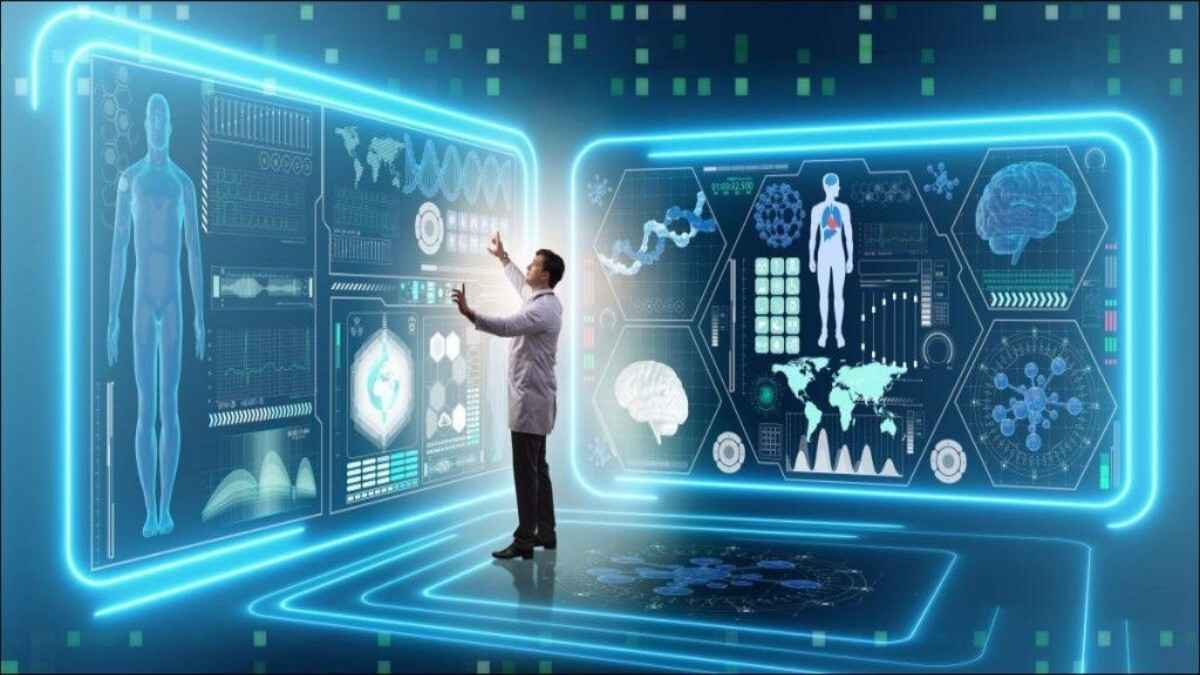

Artificial intelligence (AI) is changing the way healthcare operates, with predictive analytics leading the charge. Across the United States, hospitals and clinics are adopting AI tools that forecast patient needs and health outcomes. These systems are already improving patient care while helping medical professionals work more efficiently. As healthcare costs continue to rise, AI predictive analytics offers a promising solution for better outcomes and smarter resource management.
Understanding AI Predictive Analytics in Healthcare

AI predictive analytics combines artificial intelligence and machine learning to process historical healthcare data. By examining this information, AI systems can predict future health events with surprising accuracy. This helps healthcare providers prepare for possible patient complications before they happen.
The U.S. healthcare system generates enormous amounts of data every day. Patient records, treatment histories, lab results, and genomic data all contribute to a growing pool of information. AI predictive tools analyze these data sets to find patterns that are too complex for humans to detect on their own. This enables early intervention and customized care for patients at risk.
Healthcare experts reported that predictive analytics relies on three major components. First, historical data helps identify trends and informs AI models. Second, machine learning algorithms allow the system to learn from this data to make predictions. Third, real-time analysis provides instant insights that support quick decision-making by medical staff.
Read also on Train Smarter: AI-Powered Analysis for Elite Sports Coaching in the US
Hospitals across the U.S. use AI predictive analytics for a variety of purposes. These include forecasting patient outcomes, predicting staffing needs, and identifying high-risk patient groups. Medical teams can now query AI systems directly, which supports better understanding of potential health scenarios. According to industry leaders, this technology is designed to improve both patient care and operational management through preemptive action.
Benefits of AI Predictive Analytics for U.S. Healthcare Providers
AI predictive analytics is helping U.S. healthcare providers improve patient care while reducing costs. Experts agree that the technology supports earlier diagnoses, more accurate treatment plans, and better resource management.
One of the most significant advantages is improved health outcomes. AI systems analyze both past and present patient data to forecast potential health events. This allows doctors to act sooner, preventing complications before they become serious.
Another key benefit is personalized treatment plans. AI can suggest custom care strategies by considering individual patient histories. Healthcare providers across the country are using this data-driven approach to offer more tailored treatments for each patient.
Operational efficiency has also improved. Predictive analytics helps hospitals anticipate patient admissions and manage bed availability, leading to faster service and reduced wait times. In busy urban hospitals, administrators report that AI tools are making staff scheduling more effective.
Another important advantage is cost savings. AI reduces the need for unnecessary tests and procedures, cutting down expenses for both providers and patients. By preventing avoidable diseases and complications, healthcare systems can save millions over time.
Patient safety is also improving. AI systems can alert caregivers to early signs of patient deterioration. This warning allows medical staff to take quick action, often preventing emergencies before they occur.
Finally, AI predictive analytics is expanding access to healthcare. Remote monitoring and telehealth services are now easier to implement, making quality healthcare more accessible for people living in rural or underserved areas of the United States.
Key Use Cases of AI Predictive Analytics in Healthcare
Hospitals and healthcare providers across the U.S. are using AI predictive analytics in several specific ways. These use cases are already improving patient care and making healthcare operations more efficient.
Personalized Patient Care
AI-driven predictive analytics allows healthcare providers to create individualized treatment plans. By analyzing a patient’s medical history, AI can predict possible health declines. This lets doctors take early action, which may include adjusting medications or recommending lifestyle changes.
Healthcare professionals report that this approach reduces the risk of complications. Patients receive care that fits their unique needs, leading to better health outcomes.
Early Medical Interventions
In critical care environments, predictive analytics helps identify patients who are at high risk of developing serious conditions. Intensive care units across the U.S. use AI to monitor patient data in real time, enabling earlier treatments that can prevent life-threatening events.
Read aso on Secure Investments: AI for Enhanced Financial Risk Assessment in US Banks
Doctors explained that these systems can track changes in vital signs and lab results, alerting staff before emergencies happen. Early intervention can often be the difference between recovery and long-term illness.
Streamlined Hospital Administration
Hospitals are also using AI predictive analytics to manage their operations more efficiently. By forecasting patient admissions, hospitals can optimize staff schedules and ensure that resources are available when needed.
Healthcare administrators reported that this technology has reduced patient wait times. It also helps hospitals avoid overcrowding and improves the overall patient experience.
Reduction in Healthcare Costs
Predictive analytics allows healthcare providers to reduce unnecessary expenses. By identifying patients who need specific interventions, hospitals can avoid extra tests and procedures. This leads to more focused treatments and fewer wasted resources.
Financial officers in the healthcare industry noted that these cost savings benefit both medical providers and patients. Lower healthcare costs make services more accessible and reduce individuals’ financial burdens.
Cybersecurity Enhancement

With the rise of healthcare data breaches in the U.S., cybersecurity is a growing concern. AI predictive analytics is now playing a role in protecting sensitive patient information. By monitoring for unusual data patterns, these systems can detect possible cyber threats early.
IT professionals in healthcare systems reported that AI tools serve as early warning systems. This proactive approach helps prevent unauthorized access to medical records and safeguards patient privacy.
Challenges Facing AI Predictive Analytics in Healthcare
Despite its benefits, AI predictive analytics still faces challenges in the U.S. healthcare system. Healthcare providers are working to overcome several obstacles before the technology can reach its full potential.
The Future of AI Predictive Analytics in Healthcare
Predictive analytics and AI are already revolutionizing healthcare throughout the United States. Hospitals and clinics are applying this technology to enhance patient care, lower costs, and streamline operations. Yet, obstacles such as data privacy, system integration, and transparency still exist.
According to healthcare professionals, addressing these challenges will even unleash more potentialities of AI in the healthcare sector. With the further development of predictive analytics, domestic healthcare system will probably reach even better patient outcomes and efficiency in system functioning.
FAQs
What is AI predictive analytics in healthcare?
AI predictive analytics in healthcare refers to the use of artificial intelligence and machine learning to analyze patient data and predict future health events. This technology helps doctors identify risks early, create personalized treatment plans, and improve healthcare system efficiency.
How does AI predictive analytics improve patient care?
AI predictive analytics improves patient care by identifying health risks before they become critical. By analyzing large datasets, AI systems detect patterns that human providers might miss, enabling early medical interventions and customized treatments.
What are the operational benefits of using AI predictive analytics in hospitals?
Hospitals use AI predictive analytics to manage staffing, forecast patient admissions, and reduce wait times. This leads to better use of resources, improved patient flow, and cost savings for healthcare providers.
Is patient data safe when using AI predictive analytics?
Healthcare providers must follow strict data privacy laws, such as HIPAA, when using AI predictive analytics. Systems are designed with advanced security features to protect sensitive patient information and prevent data breaches.
What challenges do healthcare providers face when adopting AI predictive analytics?
Healthcare providers face challenges like integrating AI with outdated systems, ensuring high-quality data, maintaining patient privacy, and building trust in AI predictions. Addressing these issues is essential for successful adoption.